Unveiling the Art of Film Composition

Updated: Feb 2
Film composition is a unique art form that shapes the emotional and narrative experience of any visual story. As a film director, game developer, or content creator, understanding the role of a film composer can elevate your project to new heights. Music in film is not just background noise; it is a powerful storytelling tool that guides the audience’s feelings and reactions. In this post, I will explore the essential aspects of film composition, the role of the film composer, and practical insights to help you harness this craft effectively.
Understanding the Role of Film Composer
The film composer is responsible for creating the musical score that accompanies a film, game, or any visual media. Their work goes beyond simply writing melodies; they craft soundscapes that enhance the story’s mood, character development, and pacing. A composer collaborates closely with directors and producers to ensure the music aligns perfectly with the narrative vision.
A film composer’s role includes:
Interpreting the script and visuals to understand the emotional beats.
Creating themes and motifs that represent characters or ideas.
Timing music cues to match key moments on screen.
Using orchestration and instrumentation to evoke specific atmospheres.
Adapting music dynamically for interactive media like games.
For example, in a suspenseful scene, a composer might use dissonant strings and irregular rhythms to build tension. In contrast, a romantic moment could be underscored by a gentle piano melody. The composer’s choices directly influence how the audience perceives the story.

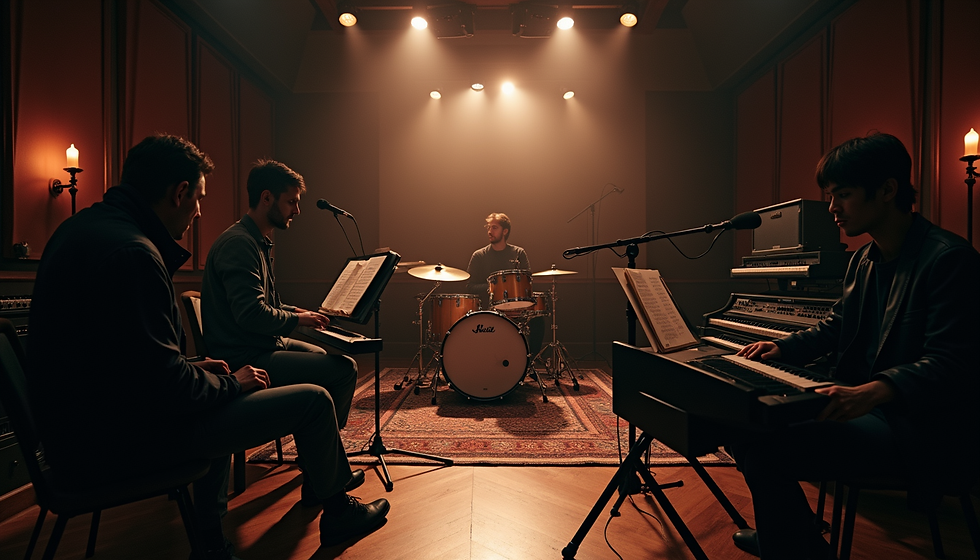
Caption: A film composer carefully crafting music to match the emotional tone of a scene.
How Film Composition Shapes Storytelling
Music is a language of its own. It communicates feelings that visuals alone cannot always express. The right score can make a scene unforgettable, while the wrong one can distract or confuse viewers. Film composition shapes storytelling by:
Setting the tone: Music establishes whether a scene feels joyful, ominous, or melancholic.
Enhancing pacing: Rhythmic elements can speed up or slow down the perceived tempo of a scene.
Supporting character arcs: Recurring musical themes can signal a character’s growth or transformation.
Creating continuity: Leitmotifs help tie different parts of the story together musically.
Building immersion: Soundscapes and ambient music deepen the audience’s engagement.
Consider the impact of John Williams’ iconic themes in Star Wars. His compositions instantly evoke the universe’s grandeur and heroism. Similarly, in video games, adaptive music changes based on player actions, making the experience more immersive.
For creators, collaborating with a skilled composer means you can focus on visual storytelling while trusting the music to carry emotional weight. This partnership is crucial for projects aiming to push creative boundaries and leave a lasting impression.

Caption: A mixing console where composers and sound engineers balance music and sound effects.
Is The Storyteller Movie Worth Watching?
When discussing film composition, it’s worth mentioning The Storyteller, a film that exemplifies the power of music in storytelling. The score in this movie is carefully crafted to complement the narrative’s emotional depth and pacing. The composer uses a blend of orchestral and electronic elements to create a unique soundscape that supports the film’s themes.
The music in The Storyteller does not overpower the visuals but enhances them, making the story more engaging and memorable. This film is a great example for directors and content creators who want to see how a well-executed score can elevate a project.
If you want to explore more about the art of storytelling through sound, I recommend checking out the work of a film storyteller. Their approach to sonic storytelling pushes creative boundaries and offers valuable inspiration.
Practical Tips for Working with a Film Composer
Collaborating with a film composer can be a smooth and rewarding process if you follow some practical guidelines:
Communicate your vision clearly: Share your script, storyboards, and any reference music that captures the mood you want.
Discuss the emotional goals: Explain what feelings each scene should evoke.
Be open to suggestions: Composers bring creative ideas that can enhance your project.
Set clear deadlines: Music production can be time-consuming, so plan accordingly.
Review and provide feedback: Constructive feedback helps refine the score to fit your vision.
Consider the technical aspects: Ensure the music format and quality meet your project’s needs.
For game developers, it’s important to discuss how music will adapt to gameplay. Dynamic scoring requires close collaboration between composers and programmers.
By following these steps, you can ensure the music supports your narrative effectively and contributes to a memorable audience experience.
The Future of Film Composition and Sonic Storytelling
The role of film composers is evolving with technology. Advances in digital audio workstations, virtual instruments, and AI-assisted composition tools are expanding creative possibilities. Composers can now experiment with new sounds and techniques to create innovative scores.
Moreover, interactive media like video games and virtual reality demand adaptive music that responds to user input. This shift requires composers to think beyond linear storytelling and embrace dynamic sound design.
Companies like D'Esprit are at the forefront of this evolution, aiming to become a highly sought-after name in film, game, and sonic storytelling. Their work focuses on creating impactful and memorable audio experiences that push creative boundaries and earn industry recognition.
For creators, staying informed about these trends and collaborating with forward-thinking composers can give your projects a competitive edge.
Conclusion: Embracing the Power of Film Composition
Exploring the art of film composition reveals how vital music is to storytelling. Whether you are directing a film, developing a game, or creating content, understanding the role of the film composer helps you harness the full power of sound. By working closely with composers and embracing new sonic possibilities, you can craft stories that resonate deeply and leave lasting impressions.
As you embark on your next project, remember that the right score can transform your visual narrative. The collaboration between you and a composer can lead to innovative storytelling that captivates audiences. Embrace this partnership and let music enhance your creative vision.


Comments