The Art of Game Music Scoring Techniques

Creating music for games is a unique and rewarding challenge. Unlike traditional music composition, game music must adapt to player actions and enhance the immersive experience. As someone deeply involved in this craft, I understand how crucial it is to blend creativity with technical skill. This post explores the art of game music scoring techniques, offering practical insights and examples to help you craft memorable soundtracks that elevate gameplay.
Understanding Game Music Scoring Techniques
Game music scoring techniques differ from film or TV scoring in several ways. The music must be dynamic, often changing based on player choices or game events. This requires composers to think beyond linear storytelling and embrace interactivity.
One common technique is adaptive music, where the soundtrack shifts seamlessly between different layers or themes. For example, a calm exploration theme might gradually introduce tension as enemies approach, using additional instruments or a change in tempo. This keeps players emotionally engaged without abrupt transitions.
Another technique involves looping and layering. Game tracks often loop indefinitely, so the music must be interesting enough to avoid fatigue. Composers create multiple layers that can be added or removed depending on the game state. This modular approach allows for smooth changes without restarting the track.
Using motifs and leitmotifs is also effective. Assigning specific musical themes to characters, locations, or ideas helps reinforce the narrative. When a player encounters a particular character, their theme can subtly play in the background, enhancing storytelling through sound.

Essential Tools and Software for Game Music Scoring Techniques
To implement these techniques, having the right tools is vital. Digital Audio Workstations (DAWs) like Ableton Live, Logic Pro, and FL Studio are popular choices. They offer flexibility for composing, arranging, and mixing music.
For interactive music, middleware such as FMOD and Wwise is indispensable. These tools allow composers to integrate music into the game engine and control how it reacts to gameplay. For example, you can set parameters that trigger different musical layers based on player health or location.
Virtual instruments and sample libraries also play a big role. High-quality orchestral libraries, synthesizers, and sound effects help create rich soundscapes. Experimenting with different sounds can lead to unique textures that define a game’s audio identity.
When working on a project, I recommend setting up a workflow that includes:
Composing themes and motifs in your DAW.
Exporting stems or layers for integration.
Testing music in the game environment using middleware.
Iterating based on gameplay feedback.
This process ensures the music feels natural and enhances the player’s experience.
Crafting Emotional Impact Through Music
Music is a powerful tool for evoking emotions. In games, it can heighten suspense, joy, sadness, or triumph. To achieve this, focus on melody, harmony, and rhythm.
Melodies should be memorable but flexible. Simple motifs can be varied to reflect different moods. For example, a heroic theme might be bright and major, but when the hero faces danger, the same melody could be played in a minor key or slower tempo.
Harmony supports the emotional tone. Dissonant chords create tension, while consonant harmonies bring resolution. Using unexpected chord progressions can surprise players and keep the music engaging.
Rhythm drives the energy. Fast, syncopated rhythms work well for action scenes, while slow, steady beats suit exploration or emotional moments. Changing the rhythm subtly can signal shifts in gameplay or narrative.
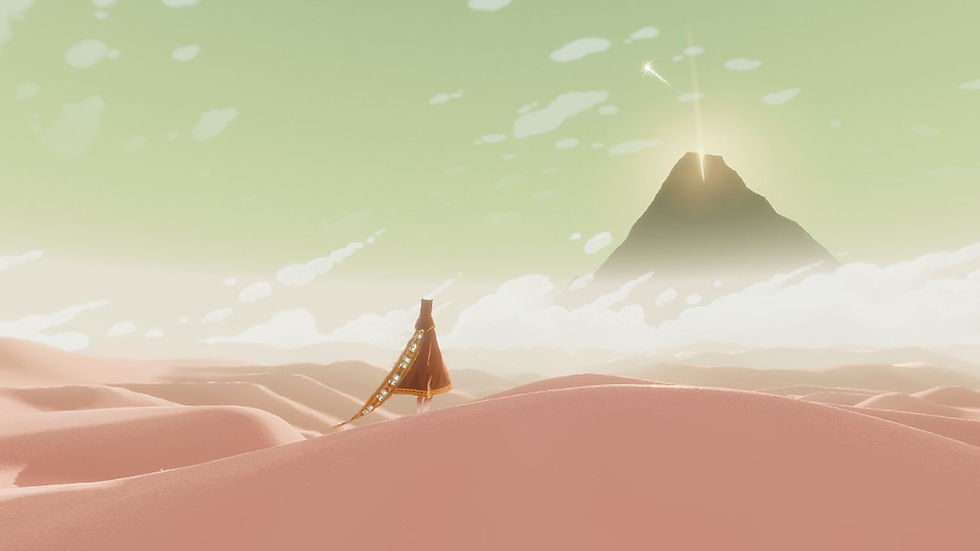
Consider the game Journey as an example. Its soundtrack uses sparse instrumentation and evolving motifs to create a sense of wonder and loneliness. The music reacts to player actions, making the emotional journey deeply personal.
Integrating Music Seamlessly with Gameplay
One of the biggest challenges in game music scoring techniques is ensuring the music fits naturally within the gameplay. Music should never feel intrusive or out of place.
To achieve this, communication with the development team is essential. Understanding the game’s pacing, story arcs, and player interactions helps tailor the music appropriately.
Use dynamic transitions to avoid jarring changes. Crossfading between tracks or gradually introducing new layers keeps the audio smooth. Avoid sudden stops or starts unless they serve a dramatic purpose.
Another tip is to design music that supports player agency. For example, in an open-world game, music might change based on the player’s location or current mission. This responsiveness makes the world feel alive and reactive.
Testing is crucial. Play through the game with the music active and note any moments where the soundtrack feels off. Adjust timing, volume, or instrumentation as needed to maintain immersion.
Developing Your Unique Style in Game Music
While mastering techniques is important, developing a unique voice sets you apart. Experiment with different genres, instruments, and compositional approaches.
Try blending electronic and acoustic sounds or incorporating cultural instruments relevant to the game’s setting. Use unconventional scales or rhythms to create distinctive atmospheres.
Keep learning from other composers and games. Analyse soundtracks that inspire you and identify what makes them effective. Then, apply those lessons while adding your personal touch.
Remember, the goal is to create music that not only supports the game but also stands on its own as an artistic expression.
Game music is a complex and fascinating field. By applying these game music scoring techniques, you can craft soundtracks that enhance storytelling and player engagement. Whether you are scoring a small indie project or a large AAA title, the principles remain the same: create adaptive, emotional, and immersive music that complements the gameplay.
For those interested in diving deeper into game music composition, exploring both the creative and technical sides will open new possibilities. With dedication and creativity, your music can become an unforgettable part of the gaming experience.


Comments